Rome: The Italian Government acknowledges and accepts the outcome of the test aimed at verifying EU banks’ capital adequacy with respect to possible adverse economic developments (stress test), carried out within the EU by competent national authorities and the Committee of European Banking Supervisors (CEBS), in close connection with the European Central Bank and the European Commission.
The Italian Government welcomes the enhanced transparency that has been achieved with the publication of these results.
The results of the stress test carried out with reference to five big Italian banking groups show their capital adequacy and resilience, even in the most adverse and less likely scenarios.
The Member States and the European Commission, in order to preserve market trust, have agreed on the need to set up or maintain national schemes which would allow public financial support for the concerned financial intermediaries, where necessary.
In line and pursuant to this EU policy, although there is no element which indicates that Italian banking groups might need it, the Italian Government will anyway re-open the timeframe that would allow the Italian Government, if ever needed, to subscribe the financial instruments issued pursuant to art. 12 of the law decree 29 November 2008, n. 185.

Ultimi Articoli
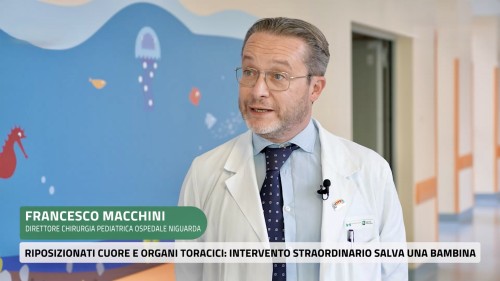
Niguarda, protesi nel torace per liberare il respiro: a 12 anni torna a salire le scale
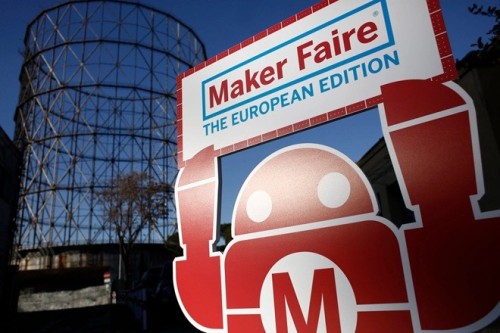
Maker Faire Rome 2026, Gualtieri presenta Julia 3.0: l’AI ufficiale di Roma
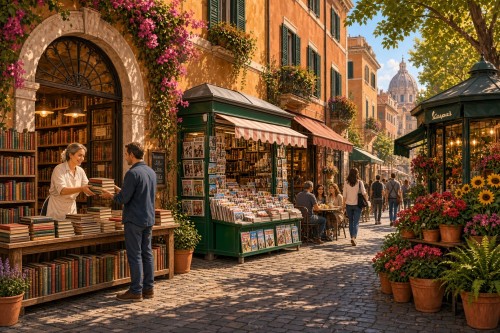
Roma, via libera a 26 progetti per il commercio di prossimità: richiesti 2,6 milioni di euro

Meteo del weekend e ora solare: temperature in calo, il 25 ottobre lancette indietro
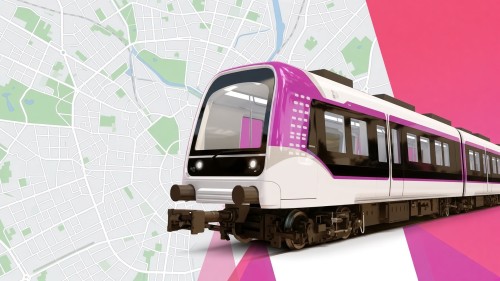
M6 Milano, il 24 ottobre si apre il confronto con i cittadini sulla futura metropolitana
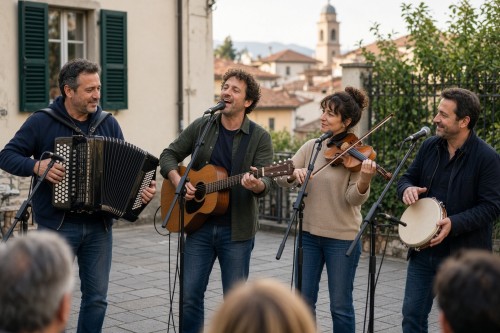
Lombardia, 900.000 euro per bande, cori e gruppi folk: domande dal 20 novembre

Lombardia, 20 milioni per l’accesso al credito di imprese e lavoratori autonomi
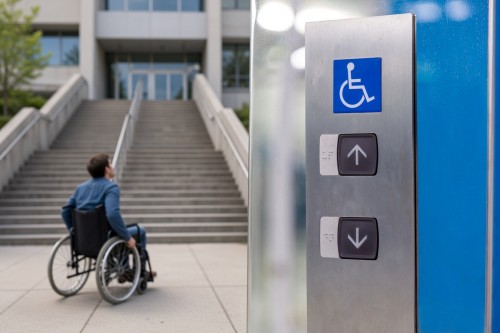
Lombardia, 1,1 milioni per eliminare le barriere architettoniche: previsti 263 interventi

Carlo Buccirosso in scena con “Qualcosa è andato storto!”