A draft version of the honey bee genome has been made available to the public - a move that should benefit bees and humans alike.
The honey bee (Apis mellifera) is multi-talented. It produces honey, pollinates crops and is used by researchers to study human genetics, ageing, disease and social behaviour. "Without bees and pollination, the entire ecosystem would crumble," says Richard Gibbs, who led the sequencing effort at the Baylor College of Medicine, Houston.
Its genome is about one-tenth the size of its human equivalent, containing about 300 million DNA base pairs. Because the genome is relatively small, genes should be easy to identify, says bee researcher Steve Martin from the University of Sheffield, UK. Many of these will be similar to their human counterparts, he says.
The bee genome may also help us understand the genetics of ageing and social behaviour, says Martin. Queen bees, for example, can live five times as long as their subordinates. Unpicking their genes may help researchers understand why.
Honey monsters
The genome's publication is good news for beekeepers and victims of bee stings alike.
Across the globe bees are threatened by a pesticide-resistant mite called varroa. The bug, which has spread from Asia, weakens the insects, making them susceptible to fatal infections. "The new information may help researchers generate varroa-resistant bee strains," says Claire Waring, editor of the beekeeping journal Bee Craft. Such insects would be healthier and produce more honey.
It may also help us understand aggressive bee behaviour, says Gibbs. Stroppy swarms of Africanized bees can attack and kill people and animals. The genome may reveal the genes linked to bad bee behaviour. "This may help us deal with the problem," he says.
Researchers have deposited the draft sequence with GenBank, a public database run by America's National Institutes of Health. It will also be published on European and Japanese databases.
The project began in 2003, when the US Department of Agriculture and the National Human Genome Research Institute donated more than US$7 million. This is the first time that the amassed sequence data have been made publicly available.
Articoli Correlati


Ultimi Articoli

Ravyn Lenae pubblica due nuovi singoli — “Reputation” e “Bobby” aprono una nuova fase

Don Bronstein a Milano — lo sguardo sul jazz arriva in Triennale
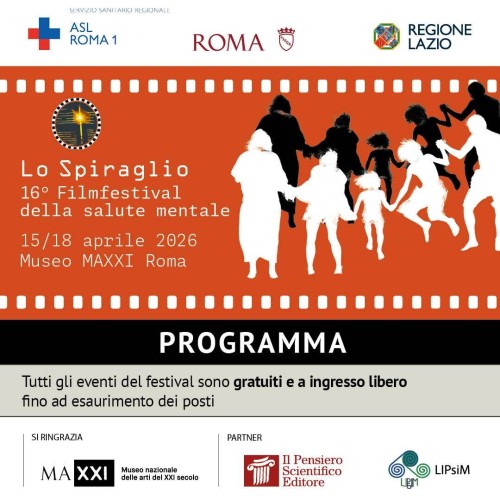
Lo Spiraglio Filmfestival – Al MAXXI il cinema guarda in faccia la salute mentale

Acqua in bottiglia o depuratore — la qualità dell’acqua è il vero confronto

Attraverso Festival 2026, oltre 40 appuntamenti tra Langhe, Roero, Monferrato e Appennino Piemontese

Acqua — Quando un bicchiere racconta il livello di un servizio

Lella e Massimo Vignelli alla Triennale con una grande retrospettiva sulla chiarezza del progetto

Alexia accende il Fabrique di Milano con “The Party — Back to the Dancefloor”

Bambini e igiene orale — Il dentifricio naturale e commestibile che protegge davvero il loro sorriso