The G7 has chosen Rome as the stage for a crucial discussion on industrial competitiveness and digital innovation. Under the presidency of Adolfo Urso, Minister of Enterprises and Made in Italy, the Ministers of Industry, Technology, and Digital met to explore how digital transformation can influence economic growth and social fabric. This meeting took place within the context of the Verona Ministerial Declaration and the Puglia Leaders' Communiqué, aiming to build a more inclusive and sustainable future.
A Meeting of Ideas and Innovation
In Rome, not only Ministers were present but also representatives from various sectors, from start-ups to innovators, all united by the desire to push towards a more prosperous digital future. Special gratitude was expressed to the United Nations Development Programme (UNDP), an organization working to improve living conditions worldwide, and to the International Telecommunication Union (ITU), the United Nations agency responsible for telecommunications and communication technology issues. Their contribution in providing knowledge and strategic support was deemed essential for the success of the meeting.
Discussions focused on the power of digital innovation in promoting sustainable economic growth. The Ministers emphasized the importance of anchoring digital transformation to shared democratic values, such as gender equality, open markets, and respect for human rights. This vision is crucial to ensure that digitalization does not leave anyone behind.
Focus on Artificial Intelligence and SMEs
A central theme of the meeting was the adoption of Artificial Intelligence (AI), a branch of technology aimed at creating systems capable of performing tasks that normally require human intelligence, such as language understanding, image recognition, and problem-solving. In particular, the crucial role of AI in the innovation and competitiveness of micro, small, and medium enterprises (SMEs) was discussed. SMEs are small-sized companies that play a vital role in the economy, representing most businesses in many countries and providing a wide range of jobs.
The Ministers welcomed a report outlining factors and challenges in the adoption of AI, highlighting how emerging technologies can help redefine supply chains and production. The need for a shared vision among international partners to create a balanced and inclusive global digital ecosystem emerged.
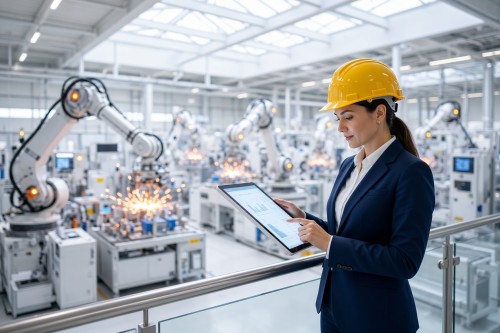
The Semiconductor Point of Contact Group, established during the Verona meeting, presented significant outcomes. Semiconductors are fundamental components for almost all electronic devices, and their production is essential for ensuring the competitiveness of the technology industry. During the meeting, the competitiveness of the industry and the need to remain agile in a complex international context were discussed. The Ministers approved priority areas for pre-competitive collaboration, focusing on making semiconductors more energy-efficient and their production more resilient, that is, capable of withstanding crises and disruptions.
Attention to Digitalization in Africa
One of the most interesting aspects of the meeting was the focus on digitalization in Africa. Representatives from countries such as Egypt, India, Kenya, South Africa, South Korea, the Netherlands, and Tunisia highlighted the importance of accelerating progress towards the Sustainable Development Goals (SDGs). The SDGs are a series of global objectives adopted by the United Nations to address social, economic, and environmental challenges by 2030.
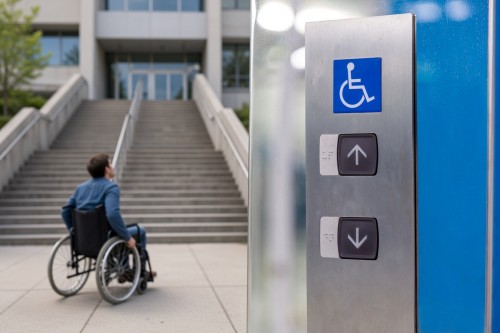
The discussion addressed the need to bridge the digital divide, that is, the disparity in access to and use of digital technologies, and strengthen the value chain between G7 countries and African nations. It was emphasized that it is crucial to address the challenges associated with digital transformation, ensuring that the benefits of digital technologies are equitably shared to empower all segments of society.
The AI Hub for Sustainable Development Project
A notable initiative that emerged was the co-design of the "AI Hub for Sustainable Development." This pioneering project will focus on key sectors such as agriculture, health, infrastructure, education, and energy. The Hub aims to promote strategic partnerships between the Italian G7 presidency and African nations, fostering innovation and strengthening local AI ecosystems. The ultimate goal is to unlock new opportunities for industrial growth and social progress.
The AI Hub will function as a dynamic platform to support inclusive digital transformation, ensuring that the benefits of safe and reliable AI are widely distributed within communities. Through promoting collaboration, capacity building, and knowledge exchange, the Hub reflects the G7's commitment to "Growing Together" with partner countries, advancing common sustainable development goals.
Glossary
- AI: Artificial Intelligence - Technologies that enable a system to perform tasks that normally require human intelligence.
- G7: Group of Seven - An intergovernmental forum that brings together seven industrialized countries to discuss economic and political issues.
- ITU: International Telecommunication Union - A United Nations agency that deals with telecommunications and communication technology issues.
- SMEs: Small and Medium Enterprises - Small-sized companies that play an important role in the economy.
- SDGs: Sustainable Development Goals - Global objectives of the United Nations to address social, economic, and environmental challenges.
- UNDP: United Nations Development Programme - An agency that works to improve living conditions globally.