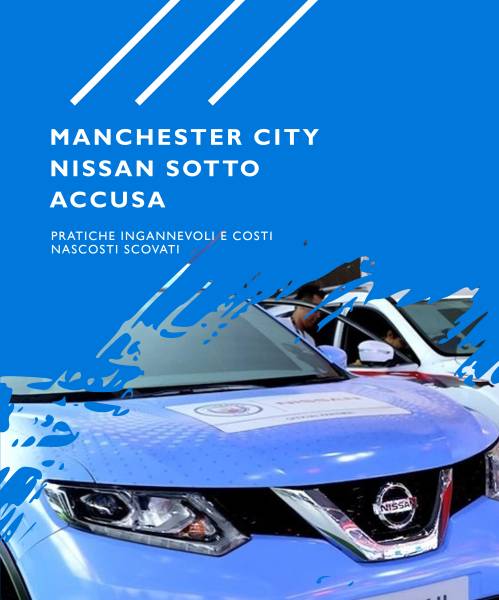
The auto dealer Manchester City Nissan (MCN), along with its owner and various key employees, is facing legal action from the Federal Trade Commission #FTC and the State of Connecticut. The complaint, filed in the federal court of Connecticut, accuses the dealership of systematically deceiving consumers about the prices of certified used cars, additional costs, and government fees.
Certified Pre-Owned: A Betrayed Promise?
The heart of the controversy in the case of "Certified Pre-Owned: A Betrayed Promise?" revolves around Manchester City Nissan (MCN) advertising vehicles as "certified pre-owned" (CPO) but then adding unauthorized certification fees to consumers, betraying the promise of transparency and integrity.
Certified Pre-Owned (CPO):
This term refers to a used car that has undergone inspection and repair according to the manufacturer's standards, often accompanied by an extended warranty. The goal is to provide consumers with confidence that the car has been thoroughly examined and meets the brand's quality standards.
In the case of MCN, the complaint alleges that not only did the dealership regularly add an unauthorized certification fee, but it also charged consumers extra for inspections or repairs that had already been carried out. This behavior questions the integrity of the promise of a CPO car, as consumers ended up paying for services that should have been included in the certification process.
An example cited in the complaint is a consumer who came to purchase a certified pre-owned car advertised at $15,700. However, the dealer added an "inspection" fee of $5,295.65, betraying the consumer's trust and making them pay much more than the advertised price.
In essence, MCN's practices betrayed the promise of a transparent and reliable buying experience for consumers interested in Certified Pre-Owned vehicles, highlighting the need for increased regulation and oversight in the automotive industry to ensure dealers adhere to ethical standards and provide accurate information to consumers.
Fictitious Additions and Deceptive Fees
In addition to accusations related to certified used cars, the complaint reveals that MCN and its employees regularly charge consumers unauthorized fictitious additions. Service contracts, maintenance contracts, and total loss protection are just a few of the contested expenses. Surprisingly, Total Loss Protection appears in 90% of all MCN sales.
One consumer, as described in the complaint, negotiated a price of $20,500 for a Nissan Rogue Sport, but when signing the sales contract, found themselves charged over $7,000 in unauthorized additions.
In the context of the article, the term "Fictitious Additions and Deceptive Fees" refers to the unethical business practices adopted by Manchester City Nissan (MCN) and its employees during car sales transactions. These practices aim to make consumers pay additional costs that may not have been agreed upon or may be unjustifiably inflated.
- Fictitious Additions: MCN and its employees are accused of charging consumers unauthorized or unagreed-upon additional costs. These extra charges may include service contracts, maintenance contracts, and total loss protection (TLP). The consumer cited in the complaint discovered that the agreed-upon price for a car increased by over $7,000 due to unauthorized additions.
- Deceptive Fees: During sales, MCN allegedly deceived consumers about government-imposed taxes. This includes misleading claims that some fees added by MCN were required by the government. Additionally, actual government fees were allegedly deceptively inflated, and the difference between the inflated amount and the actual amount would be kept as profit by the dealership.
To further clarify, consider the example cited in the complaint where MCN reportedly told a consumer that Connecticut registration fees and other state fees were $345, while they were actually only $208.20. This example illustrates how MCN allegedly deceptively inflated government fees, leading consumers to pay more than necessary.
In essence, these practices aim to deceive consumers about the actual breakdown of costs associated with purchasing a car, resulting in financial harm and a breach of consumer trust. The complaint argues that such behaviors violate the FTC Act and the Connecticut Unfair Trade Practices Act.
False Government Taxes
MCN and its employees would also allegedly deceive consumers about government taxes during the sales process, claiming that added fees were required by the government or deceptively inflating actual government taxes. An example cited in the complaint reveals that MCN told a consumer that Connecticut registration fees were $345, while they were actually only $208.20.
Legally Contested Actions
The legally contested actions in this case involve the formal charges filed against Manchester City Nissan (MCN) and some of its key figures, including Patrick Dibre, Refaat (Brian) Soboh, Michael Hamadi, Aiham Alkhatib, Matthew Chmielinksi, and Fred (Freddy) Mojica. These legal actions stem from the Federal Trade Commission (FTC) and the State of Connecticut and are based on alleged violations of the FTC Act and the Connecticut Unfair Trade Practices Act.
Key Charges:
- FTC Act Violation: The FTC Act prohibits unfair or deceptive business practices. In the case of MCN, the charges focus on misleading and burdensome advertising practices for consumers, especially regarding how "certified pre-owned" cars are advertised and sold.
- Connecticut Unfair Trade Practices Act Violation: This Connecticut state law aims to protect consumers from deceptive or unfair business practices. Legal actions are based on the assumption that MCN engaged in unfair business practices during the sales process, including hidden costs and unauthorized additions.
Possible Legal Consequences:
If MCN and its representatives are found guilty of these charges, they could face several legal consequences, including:
- Financial Penalties: They may be required to pay significant fines as a consequence of deceptive business practices.
- Consumer Reimbursement: They might be required to reimburse consumers for additional costs and unjustified expenses.
- Practice Bans: Some individuals involved may be subject to bans from practicing in the automotive or commercial industry.
- Remedies: They might be required to make changes to their business practices to ensure compliance with the laws.
Additionally, the outcome of this case could have a significant impact on MCN's reputation and that of its representatives, influencing consumer trust in the dealership and the automotive industry in general.
The FTC and the State of Connecticut seek, through these legal actions, to protect consumers from unfair business practices and ensure that dealers act ethically and transparently in their transactions with the public.
Certified Pre-Owned (CPO):
An acronym for "Certified Pre-Owned," referring to used vehicles that have undergone a rigorous inspection process and necessary repairs according to the manufacturer's specifications, often accompanied by an extended warranty. This category of used cars is generally associated with additional benefits compared to traditional used cars.
Key Points Related to CPO Vehicles:
- Thorough Inspection: CPO vehicles undergo a thorough inspection, checking various aspects of the vehicle, including the engine, transmission, suspension, braking system, electronic systems, and more.
- Repairs and Maintenance: If issues are identified during the inspection, the vehicle is repaired or undergoes maintenance to ensure it meets the manufacturer's or certification entity's standards.
- Warranty Extension: CPO vehicles are generally accompanied by an extension of the manufacturer's original warranty. This provides buyers with greater peace of mind as they are covered by a warranty even after the purchase.
- Roadside Assistance: Many CPO programs also offer roadside assistance services, including towing, roadside rescue, rental cars, and other benefits in case of breakdowns.
- Conditions and Limitations: The exact conditions and benefits of the CPO program may vary among manufacturers and dealers. Some may offer more extensive and detailed programs than others.
The concept of "Certified Pre-Owned" vehicles was introduced to provide consumers with a used car purchasing option that guarantees a certain level of quality and reliability, reducing the risk associated with buying traditional used vehicles. Consumers opting for a CPO vehicle often benefit from increased peace of mind and greater security compared to purchasing a non-certified used vehicle.
Conclusions and Warning to the Industry
The legal action sends a strong warning to all dealers engaging in deceptive practices. Samuel Levine, Director of the Bureau of Consumer Protection at the FTC, states that "bait-and-switch" and hidden costs have no place in honest dealings.
The FTC continues to work to promote competition and protect consumers. While this case will be decided by the court, the message is clear: dishonest practices will not be tolerated.
Glossary
- Certified Pre-Owned (CPO): Acronym for "Certified Pre-Owned," referring to used vehicles that have passed inspection and necessary repairs according to the manufacturer's specifications and come with an extended warranty.
- General Asset Protection (GAP): Acronym for "General Asset Protection," covering the difference between a vehicle's market value and the amount still owed on the financing in case of total loss.
- Total Loss Protection (TLP): Acronym for "Total Loss Protection," a form of protection covering additional expenses in case of total loss of the vehicle, ensuring the owner does not incur excessive costs.
- Federal Trade Commission (FTC): U.S. government agency responsible for consumer protection and promoting competition. Investigates and prosecutes unfair business practices.
- Connecticut Unfair Trade Practices Act: State law in Connecticut aimed at protecting consumers from deceptive or unfair business practices, providing a legal framework to address and sanction unfair business behaviors.
- Bait-and-Switch: Unfair business practice where a seller advertises a product at an attractive price to attract customers but then offers a different product or applies additional costs once the customer is committed.
- Consumer Protection Bureau of Consumer Protection Cars: Acronym referring to the consumer protection sector within the FTC, specialized in monitoring and regulating business practices involving vehicles.
- Deceptive/Misleading Conduct: Deceptive or misleading behavior, referring to business practices that seek to deceive or confuse consumers about products or services.
- Automobiles Credit and Finance Payments and Billing: Specific context of investigations and legal actions related to the automotive industry, financing, and payments, including billing practices.
- FTC Act: Acronym for "Federal Trade Commission Act," a U.S. federal law prohibiting unfair or deceptive business practices, authorizing the FTC to protect consumers and promote competition.
#ManchesterCityNissan #FTC #AutoScams #ConsumersBeware #HonestPractices
Stay tuned for further developments on this game-changing story in used car purchasing!