Twenty astrophysicists have won half of the European Commission's annual 1 million-euro Descartes Prize for their research into the origins of gamma-ray bursts - fleeting flashes of photons in space more powerful than the Sun.
This is the first time that the prize - for scientific collaborations involving at least two EU member states - has gone to astronomers. Previously teams have won for work as diverse as chemistry at absolute zero and research into genetic diseases; the other half of the 2002 award went to researchers studying multiple sclerosis.
"I think it's very richly deserved," says leading US astrophysicist Stanford Woosley of the University of California at Santa Cruz. The gamma-ray bursts the winning team work on have been a puzzle for over 35 years, he explains. "Their observations were key to cracking that puzzle."
Led by Edward Van den Heuvel of the University of Amsterdam, the prizewinners determined that gamma-ray bursts come from the star-forming regions of distant galaxies. That discovery greatly narrowed the number of viable explanations. "There were over 150 theories, but most of them involved sources inside our own galaxy," Woosley says.
Most astronomers now believe that the gamma rays are produced when young, super-massive black holes shoot jets of gas into space at near the speed of light. Bursts occur, they think, as a gas jet breaks up and collides with interstellar dust.
Van den Heuvel and his colleagues plan to spend their cash on developing new instruments for pinning down the genesis of these gamma rays.
The winning research was carried out with the BeppoSAX satellite - operated by the Italian Space Agency and the Netherlands Agency for Aerospace Programs - from May 1996 to May 2002.
BeppoSAX detected gamma-ray bursts and quickly worked out where in the sky they came from. Scientists could then turn optical telescopes, such as the Hubble Space Telescope, on these spots.
Geoff Brumfiel is the Washington Physical Sciences Correspondent for the journal Nature.
Articoli Correlati

Ultimi Articoli

Youth and Future a Palazzo Reale: le parole dei giovani diventano opere d’arte

Fibra ottica in provincia di Como: 145 comuni nel Piano Bul, oltre 144.000 immobili attivabili

Leone, il neonato ritrovato a Cinisello Balsamo respira senza supporto

Gaza, dalla Lombardia altri 150mila euro per acqua e assistenza agli sfollati
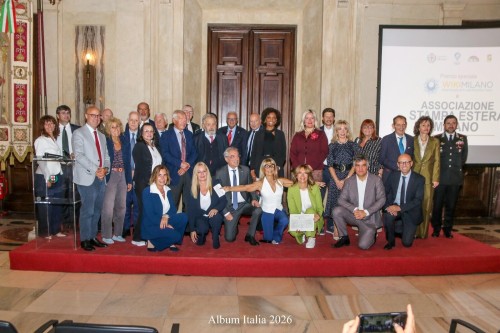
Milano premia i suoi protagonisti: a Palazzo Marino otto “Volti della Metropoli” che raccontano il futuro della città
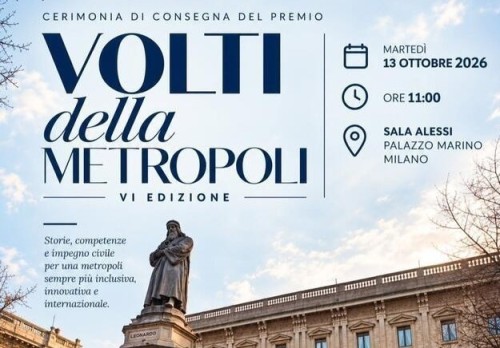
Premio Volti della Metropoli: a Palazzo Marino i riconoscimenti alla VI edizione
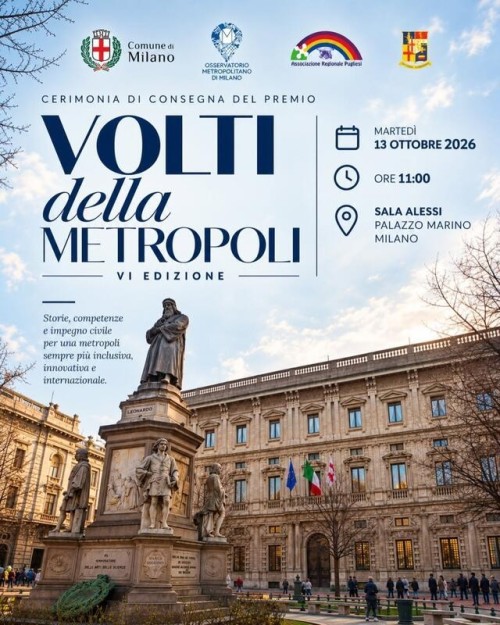
Milano celebra i suoi protagonisti: torna il Premio “Volti della Metropoli”
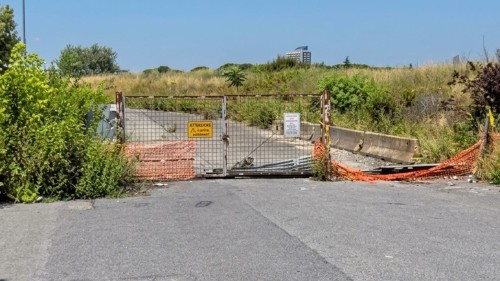
Roma, talenti, Via Antamoro, vent’anni di attesa: ma chi paga il prezzo delle promesse rimaste sulla carta?

Winners Cup 2026, oltre 200 giovani pazienti oncologici in campo a Milano