Meteorites from Antarctica are a relatively recent resource for study of the material formed early in the solar system; most are thought to come from asteroids but some may have originated on larger planets. In 1969, the Japanese discovered concentrations of meteorites in Antarctica. Most of these meteorites have fallen onto the ice sheet in the last one million years. They seem to be concentrated in places where the flowing ice, acting as a conveyor belt, runs into an obstacle and is worn away, leaving behind the meteorites. Compared with meteorites collected in more temperate regions on Earth, the Antarctic meteorites are relatively well preserved. The collection and curation of Antarctic meteorites is a cooperative effort among NASA, the National Science Foundation and the Smithsonian Institution. The meteorites are collected by NSF science teams camping on the ice. Since 1977, the still-frozen meteorites have been returned to Johnson Space Center for curation and distribution. Some of the specimens are forwarded to the Smithsonian Institution, but JSC scientists curate over 4000 meteorites for more than 250 scientists worldwide and eagerly await the arrival of the several hundred new meteorites each year.
This large collection of meteorites allows a better understanding of the abundance of meteorite types in the solar system and how meteorites relate to asteroids and comets. New types of meteorites and rare meteorites have been found. Among these meteorites are pieces blasted off the Moon, and probably Mars, by impacts. Because meteorites in space absorb and record cosmic radiation, the time elapsed since the meteorite impacted the Earth can be determined from laboratory studies. The elapsed time since fall, or terrestrial residence age, of a meteorite represents additional information that might be useful in environmental studies of Antarctic ice sheets.
Articoli Correlati



Ultimi Articoli

Boom di nascite all’ospedale Valduce di Como: 33 neonati in sei giorni
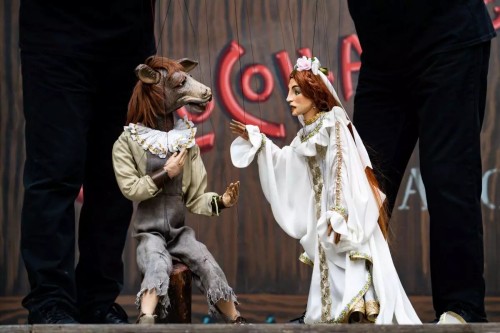
Milano Teatro City, dal 15 al 18 ottobre la prima edizione della maratona teatrale in città
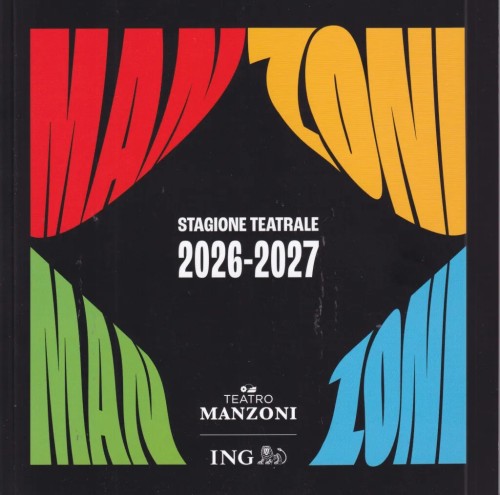
TEATRO MANZONI, LA NUOVA STAGIONE ACCENDE MILANO: OLTRE 220 SIPARI TRA GRANDI NOMI, COMICITÀ, MUSICA E FAMIGLIE

Forum del giornalismo musicale, undicesima edizione a Faenza con Lamante e Federico Guglielmi

Milano Fashion Week donna, al via dal 22 settembre: 203 appuntamenti tra sfilate, mostre ed eventi

Monferr’Autore Festival, tre appuntamenti ad Alessandria e Castelletto Monferrato

Bambina di due anni deceduta al Buzzi di Milano: istituita una commissione di verifica

Monferr'Autore, piazza Mazzini canta Guccini: in 300. Al contest vincono i Bailenga

LA RIVOLUZIONE È SERVITA!